
The Role of Luck in Games
In the casino environment, luck plays a pivotal role in determining outcomes across various games. Unlike skill-based games, where players can implement strategies and techniques to enhance their chances of winning, games of chance rely heavily on randomness. In slot machines, for instance, the combination of symbols that appear is entirely contingent on a random number generator, leaving players at the mercy of fate. Many players enjoy the excitement of seeking out an online casino fast withdrawal experience, as this unpredictability is what makes these games alluring, with every spin having the potential to yield a massive jackpot based solely on luck.
Moreover, the element of luck transcends just the player’s perspective. Casino operators also rely on luck to keep their establishments vibrant and exciting. The thrill of the unexpected can attract more patrons, as the hope of winning becomes a significant draw. This concept is particularly evident during special events and tournaments where the odds can shift dramatically, providing an exhilarating experience that captivates the audience and encourages them to take risks they may not typically consider.
Furthermore, the psychological concept of luck can influence a player’s mindset. Many players bring personal beliefs about luck into the casino, often wearing „lucky“ clothing or carrying talismans. This belief in luck can enhance the overall gaming experience, making players feel more engaged and invested. As a result, the atmosphere in casinos is charged with anticipation, fueled by the very randomness that defines gambling situations.
The Interplay of Luck and Strategy
While luck is undeniably crucial in casino games, it does not act in isolation; it often intertwines with strategic approaches. In games such as poker, for example, players can utilize their understanding of probability and psychology to make informed decisions. However, even the most skillful player must acknowledge the capriciousness of luck. A player could have the best hand, but a sudden unfavorable turn could shift the game’s outcome significantly. This blend of skill and luck is what makes poker and other strategic games exciting and unpredictable.
In addition, players often use strategies to manage their bankrolls in hopes of extending their playtime and, consequently, their chances of hitting a lucky break. For instance, some might employ a progressive betting strategy, where they adjust their bets based on wins and losses. This approach recognizes the element of luck while attempting to control the game’s direction. However, these strategies can only do so much—ultimately, luck remains a dominating force that can either propel a player to victory or lead them to defeat.

Recognizing the interplay between luck and strategy can enhance a player’s gaming experience. Understanding that while skill can influence certain outcomes, luck can change everything in an instant encourages a balanced approach to gambling. Players who appreciate this dynamic may find themselves more resilient in the face of losses and more gracious in victory, understanding that both elements are integral to the experience.
The Cultural Perception of Luck
Luck is not just an abstract concept in the casino world; it reflects deep-rooted cultural beliefs and practices. Different societies have unique interpretations of luck, which can influence how individuals engage with gambling. For example, in some cultures, superstitions play a strong role, leading players to adopt specific rituals to attract good fortune. Whether it is avoiding certain numbers because they are considered bad omens or performing a series of actions before placing a bet, these rituals can significantly affect players’ mindsets and behaviors.
Additionally, the commercialization of luck through branding in the casino industry illustrates its importance. Many casinos design their interiors and marketing strategies to evoke feelings of good luck and fortune. From lucky colors and symbols to the use of specific sounds that signal potential wins, the way luck is presented can enhance the overall experience, encouraging patrons to gamble more liberally. This cultural framing of luck creates an environment that not only entertains but also reinforces the allure of chance.
The perception of luck also extends to the stories shared among players. Tales of unbelievable wins fueled by sheer luck circulate within the casino community, inspiring others to take their chances. These narratives often become part of a shared culture, contributing to the excitement of the gambling experience. As these stories circulate, they create a mythos around luck that encourages new players to believe in their chances and engage with games that they may have otherwise avoided.
The Psychological Impact of Luck on Gamblers
The psychological aspect of luck in casinos is profound and multifaceted. For many gamblers, the belief in luck can serve as a source of hope and motivation, especially when facing losing streaks. This psychological boost can lead players to continue playing, driven by the optimism that their luck will change. However, it can also have adverse effects, leading some to chase losses in a bid to reclaim their former fortunes. This cycle can create a risky barrier where rational decision-making is overshadowed by the pursuit of a lucky break.
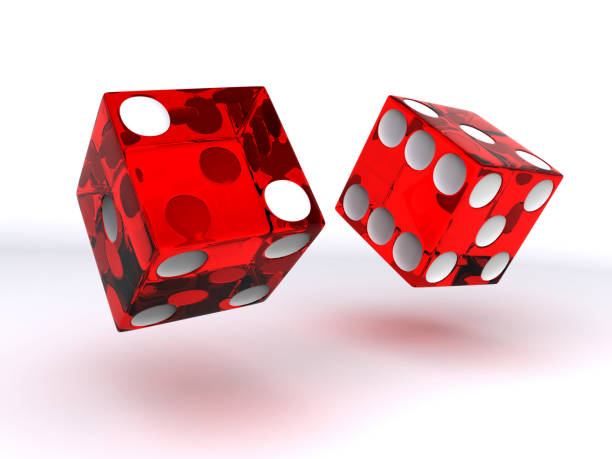
Moreover, the feeling of fortunate events can significantly enhance the overall experience within a casino. When players experience a string of good fortune, their dopamine levels rise, creating a euphoric feeling that reinforces their desire to keep playing. This “high” can lead to a distorted perception of luck, where players may underestimate the risks involved. Understanding the psychological triggers behind luck can help both players and casino operators foster healthier gambling environments.
Additionally, responsible gambling initiatives often emphasize the role of luck to encourage players to remain grounded. By promoting awareness of luck’s influence, these programs aim to help players recognize that outcomes are not always under their control, reducing the likelihood of developing harmful gambling habits. This acknowledgment allows players to enjoy their gaming experiences while keeping a realistic perspective on luck’s role in their winnings and losses.
Exploring Online Casino Experiences
The rise of online casinos has transformed how players engage with luck in the gambling world. Unlike traditional bricks-and-mortar establishments, online platforms allow players to experience the thrill of chance from the comfort of their homes. The element of luck remains, as random number generators determine outcomes in digital games, maintaining the unpredictable nature of gambling. However, the online experience often comes with additional features, such as bonuses and promotions that can enhance the likelihood of striking it lucky.
Moreover, the convenience of online casinos allows players to explore various games without the constraints of physical locations. This accessibility can lead to more spontaneous gambling sessions, where users hope to unveil their lucky streaks at any moment. However, it is essential to approach online gambling with caution, as the rapid pace can sometimes blur the line between entertainment and excessive play. Understanding luck’s role within this context can guide players to enjoy themselves responsibly.
As the online gambling landscape continues to evolve, it is also influenced by technological advancements that enhance the gaming experience. From live dealer games that infuse the casino feel into online play to mobile apps that allow for on-the-go gaming, technology creates new avenues for luck to manifest. Players are encouraged to embrace these innovations while remaining mindful of the underlying randomness that characterizes all gambling experiences, ensuring that luck remains a thrilling companion, rather than a dangerous master.
