
The Allure of Gambling: Understanding Attraction
Casino games hold an undeniable allure for many people, driven by a complex mix of psychological elements. The thrill of placing a bet and the possibility of winning money triggers a release of dopamine in the brain, which is often referred to as the ‚feel-good‘ neurotransmitter. This chemical response is akin to the excitement experienced during a roller coaster ride or the anticipation of opening a birthday gift, creating a strong motivational pull towards games of chance. For those seeking excitement, the best anonymous casinos offer a unique environment that enhances this experience, making it even more captivating.
Moreover, the element of risk plays a significant role in why individuals are drawn to casino games. The uncertainty of not knowing the outcome sparks excitement and engages our minds in a thrilling pursuit. This cognitive engagement is comparable to puzzle-solving, where the challenge of outsmarting the odds keeps players returning for more. Research suggests that people are often more motivated by the potential for loss rather than the prospect of gain, a phenomenon explained by the ‚loss aversion‘ theory in behavioral economics. This means that the fear of losing money can be as powerful as the desire to win it.
The social dynamics present in casino environments further amplify their attraction. Players often enjoy communal experiences, whether cheering on a shared game or celebrating individual wins. This communal aspect fosters a sense of belonging and enhances enjoyment. Additionally, many gamblers develop relationships with fellow players and staff, creating a social network that supports their gaming habits. This combination of social interaction and adrenaline rush effectively forms a compelling reason for individuals to engage repeatedly in gambling activities.
The Role of Risk and Reward in Decision Making
Understanding the balance of risk and reward is crucial to comprehending the psychology behind casino games. Players are often faced with choices that pit potential rewards against the risks of loss. This situation activates a part of the brain associated with decision-making—the prefrontal cortex—which evaluates the risks involved in placing bets. The thrill of considering whether to double down or to hold can create a sense of heightened awareness and excitement that many find irresistible.
This cognitive engagement is deeply tied to the concept of ‚expected value,‘ where players weigh the potential benefits of a bet against its associated risks. Casinos often capitalize on this by offering games that present the illusion of skill and strategy, such as poker or blackjack. Players feel empowered when they believe their skills can influence outcomes, even when mathematics indicates that the house edge is always present. The idea that one can exert control over chance fuels repeat participation, as players return to test their strategies against the inherent risks.

However, the excitement of risk-taking can lead to cognitive distortions, such as the illusion of control, wherein players believe they can influence random outcomes. This cognitive bias can make individuals more willing to take risks, leading to increased gambling. Understanding this psychological facet helps illustrate why many players find it difficult to leave the gaming table, as the urge to chase losses and seek redemption becomes a powerful motivator that can overshadow rational decision-making.
Addiction and Compulsive Gambling: A Psychological Perspective
While many enjoy casino games for their entertainment value, the potential for addiction looms large and is rooted in psychology. The combination of thrill, risk, and reward can create an addictive cycle, where players feel compelled to gamble even in the face of negative consequences. Compulsive gambling, or gambling disorder, is characterized by a persistent inability to control gambling habits, which can lead to significant personal and financial hardships.
The psychological mechanisms behind gambling addiction can be complex, involving a host of emotional and cognitive factors. Emotional triggers, such as stress or depression, can lead individuals to seek solace in gambling as a temporary escape, reinforcing a cycle of dependency. Cognitive distortions, coupled with a lack of awareness regarding the odds of games, often blind players to the reality of their situation, making it easier to justify ongoing gambling despite mounting losses.
To combat this growing concern, understanding the psychological effects and providing support systems is essential. Therapies aimed at addressing cognitive distortions and emotional triggers can help individuals regain control over their gambling behaviors. Programs that focus on responsible gambling and encourage self-awareness can significantly benefit those struggling with addiction, creating pathways toward healthier engagements with gaming activities.
The Influence of Environment and Design on Behavior
The design and atmosphere of casinos have been meticulously crafted to enhance the gambling experience and influence player behavior. From the moment players enter a casino, the layout, lighting, and sounds are engineered to create a specific atmosphere that encourages prolonged play. The absence of clocks and windows creates a disorienting effect, leading gamblers to lose track of time, while vibrant colors and engaging sounds keep the energy high and excitement levels peaked.
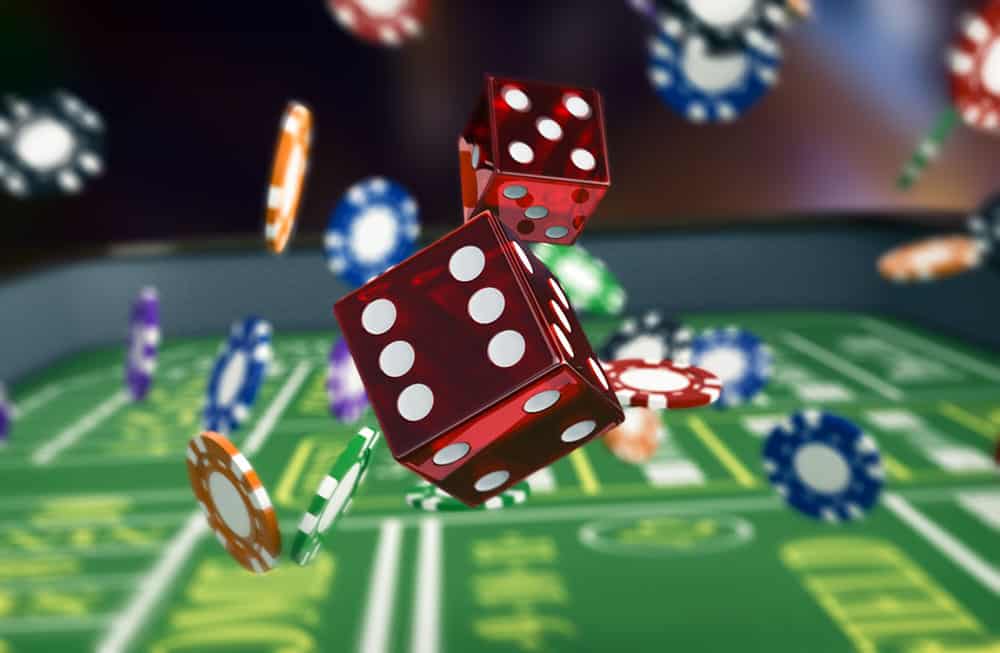
Moreover, the strategic placement of games, bars, and restaurants also plays a role in player behavior. High-stakes games are often positioned near the entrance, drawing in patrons with the allure of big wins. Flashy slot machines and table games are strategically placed to create a sense of excitement, encouraging players to try their luck and engage further with gambling. This intentional design creates a space where the environment itself subtly nudges individuals towards more frequent playing, facilitating longer visits and increased spending.
Additionally, the design of games themselves is created to maximize engagement. Features like sound effects for wins, vibrant graphics, and reward structures all serve to amplify the player experience, making it both immersive and compelling. By crafting an environment conducive to gambling, casinos not only enhance enjoyment but also create psychological triggers that can lead to increased participation, further emphasizing the connection between psychology and game design.
Understanding Responsible Gaming and Resources
In light of the potential for addiction and the psychological intricacies surrounding casino games, the importance of responsible gaming cannot be overstated. Many casinos and gaming organizations are working to promote positive gaming behaviors and provide resources for players. This includes initiatives designed to educate players about the risks of gambling, inform them about odds, and encourage responsible decision-making.
Resources for responsible gambling often include self-exclusion programs, where individuals can voluntarily ban themselves from gambling venues or online platforms for a specified period. Educating players about the signs of problematic gambling behavior, along with providing access to support services, empowers individuals to take control of their gaming experiences. Creating awareness around the psychological aspects of gambling, such as understanding the influence of emotions and decision-making processes, is crucial for promoting healthier habits.
As a commitment to responsible gaming, many websites and platforms are now incorporating tools to assist players in managing their gambling activities. Features such as budgeting tools and performance tracking allow users to monitor their spending and playing habits. By integrating psychological insights into these resources, the aim is to mitigate the risks associated with gambling while enhancing the enjoyment of casino games in a more controlled manner.
